
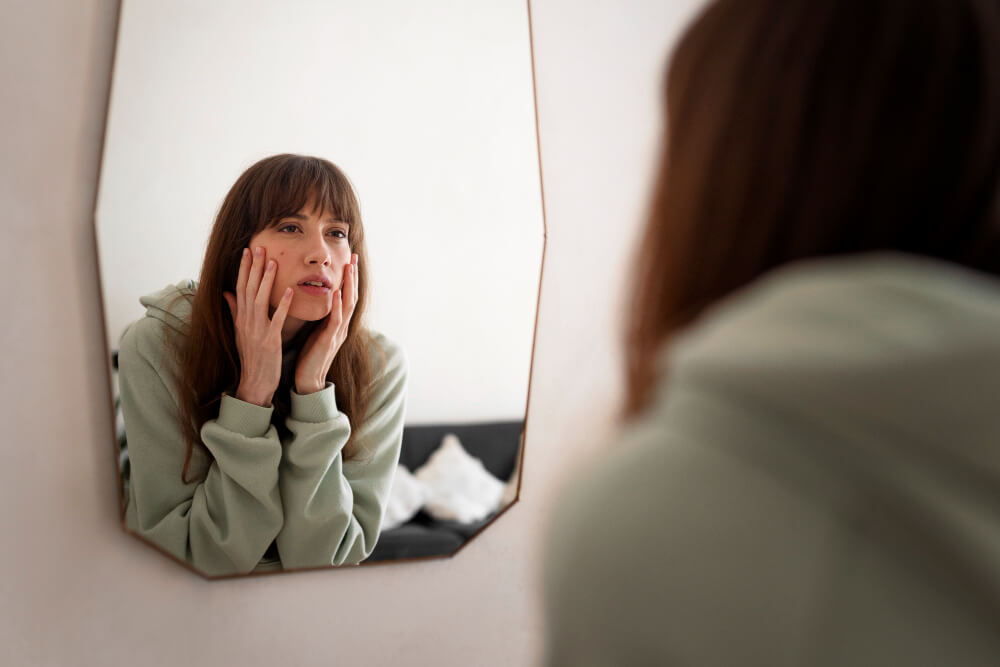
Self-esteem is not just about “whether I love myself or not.” It is the foundation of how a person perceives their own value, abilities, right to make mistakes, intimacy, success, rest, and even having a voice in relationships.
Low self-esteem rarely appears “on its own.” Most often, it develops gradually — through experience, environment, the words of others, and the internal conclusions a person makes about themselves from an early age.
What influences self-esteem
- Criticism.
If a child or teenager was often criticized rather than supported, over time they may develop the belief: something is wrong with me. - Comparison.
Constant comparison with others teaches a person to see themselves not from within, but through others’ evaluations. - Lack of support.
When important adults did not notice emotions, did not reinforce successes, or did not provide a sense of safety, it becomes harder to develop an inner foundation. - Conditional love.
If love or acceptance depended on behavior, grades, obedience, or achievements, in adulthood a person may constantly try to “earn” the right to feel valuable.
How low self-esteem manifests in adult life
- constant self-doubt
- fear of criticism
- feeling that you are not good enough
- difficulty setting and maintaining boundaries
- dependence on approval
- an inner self-critical voice
- devaluing your own achievements
Sometimes a person may appear strong, successful, and confident on the outside, while internally living with a constant need to prove their worth.
How a psychologist helps
Working on self-esteem is not about artificially “loving yourself in three steps.” It is a deeper process that helps change your internal perspective.
A psychologist helps you:
- understand where negative beliefs come from
- change your inner dialogue
- learn to accept yourself without constant struggle
- separate your self-worth from achievements, others’ opinions, or roles
- build a healthier self-esteem
When a person gradually stops living from the position of “I am not enough,” many things change: choice of partners, work, anxiety levels, boundaries, ability to ask for help, and the right to live their own life.
On Stelo, you can find a psychologist who will help you work with self-esteem, inner criticism, and your sense of self-worth.